Support Hours: 09:00–18:00 (GMT+8) · Messages and quote requests are accepted 24/7.
Functional parts production services: used to manufacture functional parts that carry real mechanical strength, motion loads and assembly requirements, suitable for testing, trial production and long-term use scenarios

Functional Parts Production

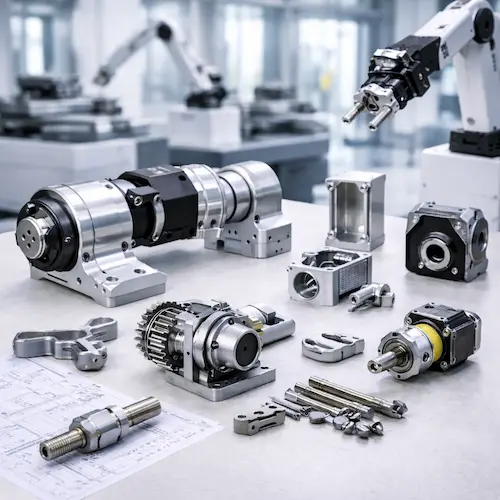
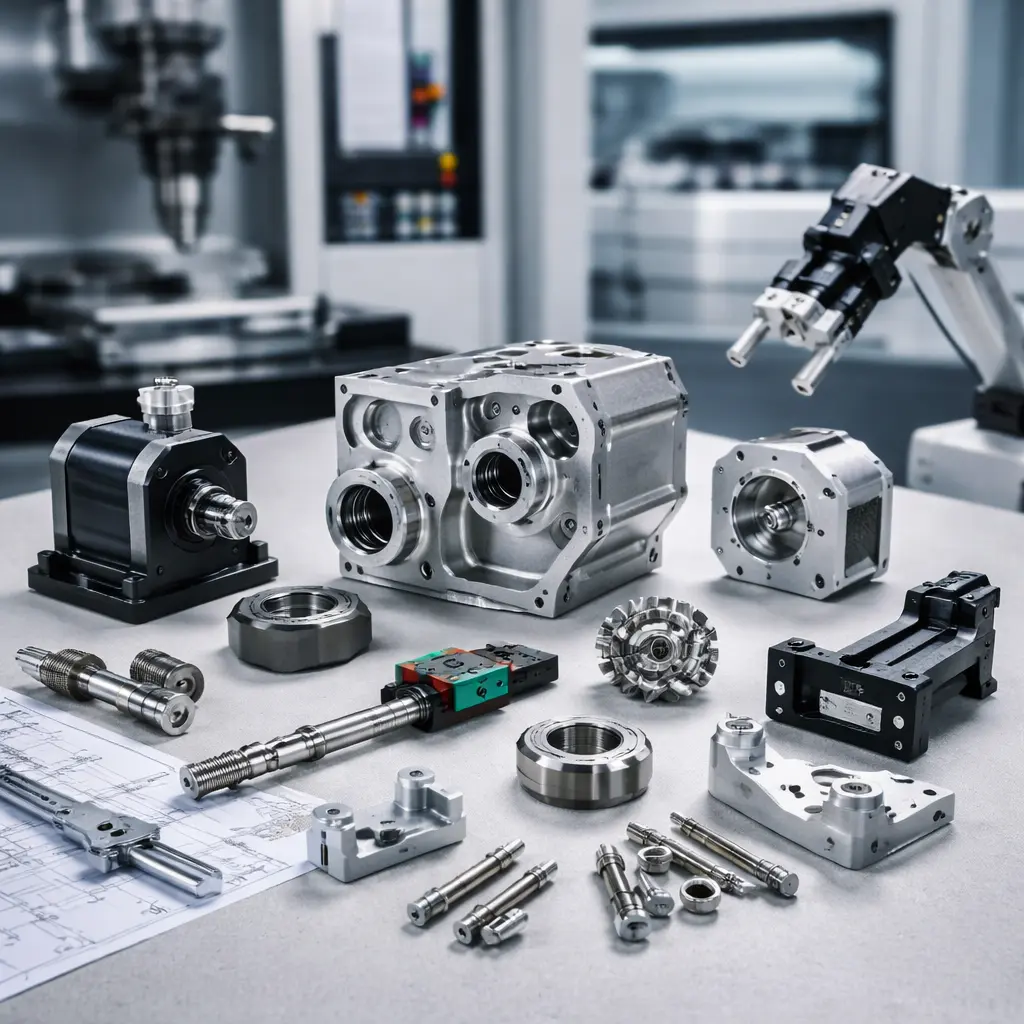
Manufacture functional parts designed for real loads, motion, assembly, testing, and long-term use. XFabro combines engineering review and manufacturability analysis with the appropriate production process to deliver parts that can be assembled, operated, and reproduced reliably—not display-only prototypes.

Choose functional parts production when you need to:

Produce parts that carry loads, move, or operate reliably over time.
Test stress, fatigue, wear, temperature, or repeated assembly under real conditions.
Move into functional validation, engineering trial production, or project delivery with a repeatable process.
Replace visual mockups with parts that are assemblable, operational, and ready for delivery.
Get an Instant Quote View Production Capabilities
NDAs, secure file storage, and controlled access are available to protect drawings and intellectual property.

Functional Parts vs. Cosmetic Parts

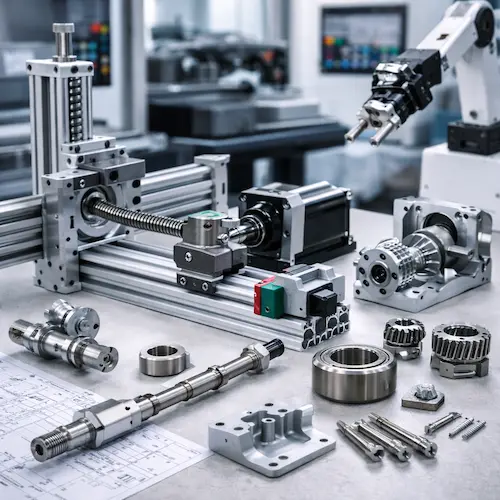
Functional parts must perform inside a working system. They carry loads, move, fit assemblies, and maintain the required accuracy and reliability under real operating conditions; cosmetic parts primarily validate appearance.

Functional Parts

Parts intended for assembly, operation, and repeated or long-term use. Material performance, strength, precision, and process consistency are essential.

Core goal: reliable performance in the working system
  • Load-bearing: Yes, where required
  • Motion: Common
  • Precision: Driven by fit and function
  • Material selection: Performance-driven
  • Service life: Designed for the specified duty cycle
Cosmetic and Display Parts

Parts intended mainly for presentation, visual review, or appearance validation rather than sustained operation under load.

Core goal: appearance and presentation
  • Load-bearing: Not the primary purpose
  • Motion: Uncommon
  • Precision: Driven by appearance and basic fit
  • Material selection: Appearance-driven
  • Service life: Not the primary validation goal

If a part must carry loads, move, assemble, or perform reliably over time, evaluate its materials, tolerances, accuracy, and manufacturing route as a functional part rather than a display sample.

Where Functional Parts Are Used

Functional parts support loads, motion, assembly, and long-term operation in machinery, robotics, tooling, and engineering test systems. Manufacturing plans focus on strength, fit, tolerance, and repeatability.

Functional parts of machinery and automation equipment: transmission components, connectors, functional brackets

Machinery and Automation Equipment

Manufacture load-bearing structural, transmission, and mounting components for equipment upgrades and production-line systems.

Common parts:

Transmission components
Connectors
Functional brackets
Functional parts of robots and motion systems: joint connectors, load-bearing structural parts, functional installation parts

Robotics and Motion Systems

Support joints and motion assemblies where fit, stiffness, and repeatable movement directly affect reliability.

Common parts:

Joint connectors
Load-bearing structures
Functional mounting parts
Industrial equipment and tooling functional parts: tooling fixtures, positioning structural parts, reusable functional parts

Industrial Equipment and Tooling

Produce reusable fixtures, locating components, and structural parts for production and assembly operations.

Common parts:

Tooling and fixtures
Locating components
Reusable structural parts
Project delivery and engineering test functional parts: engineering test parts, project functional parts, long-cycle test parts

Engineering Testing and Project Delivery

Supply functional parts for acceptance testing, long-duration trials, and project delivery where consistent performance matters.

Common parts:

Engineering test parts
Project-specific functional parts
Long-duration test components

Functional Parts Production Capabilities

XFabro organizes functional-parts production around strength and reliability, accuracy and assembly, and consistency and traceability. Engineering review, process control, and quality records help identify risk before parts reach testing, delivery, or field use.

  1. Engineering Review for Real-World Use

    Review load paths, motion, service life, assembly fits, datums, process routes, workholding, tool access, and thin-wall risks. Critical functional dimensions and appearance surfaces are identified before production begins.

  2. DFM, Tolerance, and Datum Planning

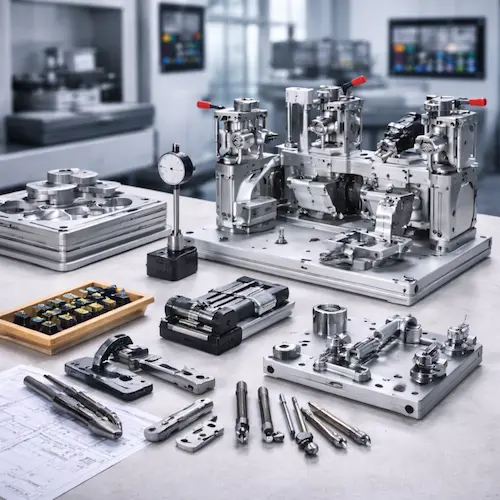
    Define datums, hole fits, coaxiality, flatness, threads, inserts, edge conditions, and interference limits as practical manufacturing and inspection criteria. This supports repeatable assembly across the batch, not just a successful first part.

  3. Process Selection for Functional Parts

    Match CNC machining, sheet metal fabrication, injection molding, 3D printing, or vacuum casting to performance and volume requirements. Compare cost, lead time, and technical risk to select the right route now and for the next production stage.

  4. Traceable Quality Control

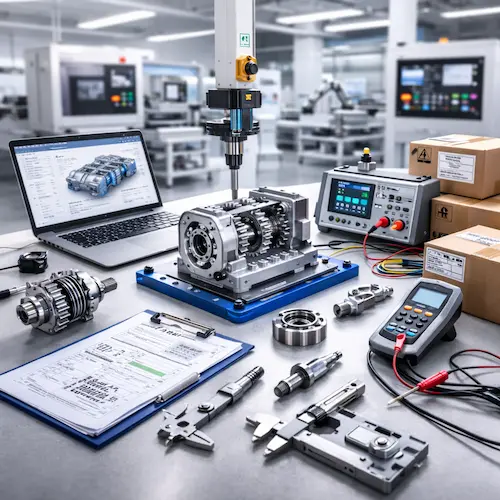
    Control material batches, incoming inspection, first article inspection (FAI), in-process sampling, critical dimensions, and outgoing quality control (OQC). Dimensional or CMM reports are available when traceable acceptance evidence is required.

  5. Performance-Focused Materials and Finishes

    Select engineering plastics, nylon, metals, and finishes such as sandblasting, anodizing, plating, coating, and screen printing. Strength, wear, heat resistance, assembly fit, and critical dimensions remain the priority.

Functional Parts Production Process

  1. Upload Drawings and Use Requirements

    • Upload STEP, IGES, STL, DWG, DXF, or other supported 2D and 3D files.
    • Share load, motion, assembly, test, and critical-dimension requirements.
    • Next step: Initial structural and manufacturability review
  2. Engineering Review and Production Plan

    • Evaluate loads, fits, tolerances, and manufacturing feasibility.
    • Select the appropriate CNC, injection molding, sheet metal, 3D printing, or vacuum casting route.
    • Output: Preliminary process and material recommendations
  3. DFM Review and Quote

    • Confirm manufacturability recommendations and critical tolerances.
    • Review pricing, materials, and the delivery plan.
    • Result: An approved, executable production plan
  4. Manufacturing and Process Control

    • Manufacture and inspect parts to the approved plan.
    • Support assembly validation, functional testing, and small-batch requirements.
    • Goal: Consistent, usable parts
  5. Delivery and Ongoing Support

    • Deliver parts with the required inspection records.
    • Support subsequent trial production, batch production, and optimization.
    • Value: A stable, reusable production route

Ready to Build Functional Parts?

All uploaded content is treated securely and confidentially.

FAQs