Support Hours: 09:00–18:00 (GMT+8) · Messages and quote requests are accepted 24/7.
Auto parts manufacturing

Automotive Parts Manufacturing Services

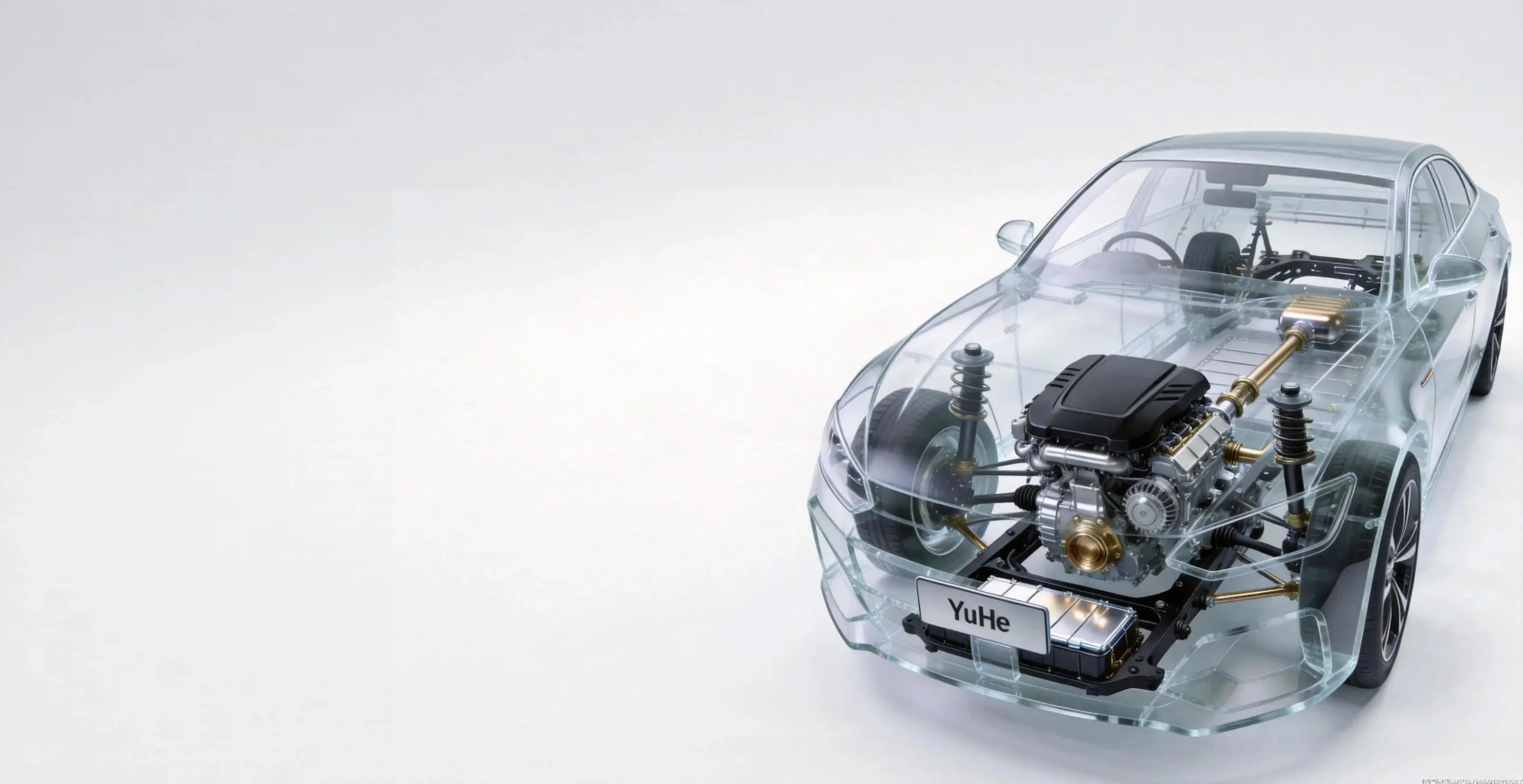
Manufacture automotive prototypes, validation parts, engineering samples, and low-volume builds from early design checks through repeat delivery. XFabro supports design for manufacturability (DFM), multi-process production, inspection documentation, and revision control.

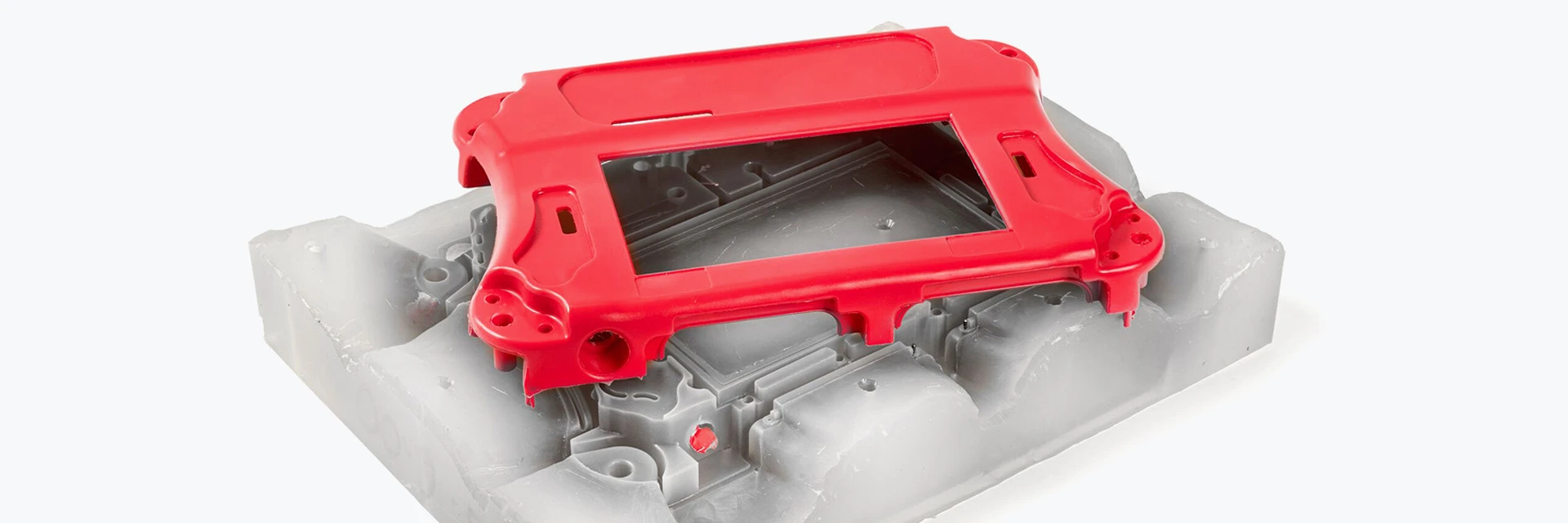
Choose CNC machining, sheet metal fabrication, 3D printing, injection molding, or vacuum casting according to part geometry, material, quantity, assembly requirements, and project stage. We help teams manage fit, version changes, batch consistency, schedule, and cost.

Get an Instant Quote Discuss Your Automotive Project With an Engineer

Optional non-disclosure agreements (NDAs) and controlled file access help protect automotive project data.

Engineering Considerations for Automotive Parts

Automotive parts must fit their assemblies, perform under stated conditions, and remain repeatable as projects move from prototypes to engineering and pilot builds. Manufacturing plans should account for tolerance chains, material and process behavior, revision control, inspection, lead time, and cost.

Control Fit and Assembly Consistency

Dimensions, geometry, and fit affect assembly efficiency, noise, vibration, harshness (NVH), and consistency between builds.

Typical considerations:

Stable mating surfaces, datums, and geometric tolerances
Repeatable fit across samples and pilot batches

Account for Vibration and Temperature

Vibration, temperature cycles, loads, material condition, machining stress, and assembly methods can all affect fit and performance.

Typical considerations:

Connection and clearance stability under defined vibration conditions
Dimensional and fit changes across a stated temperature range

Match Manufacturing to Each Project Stage

Prototypes, engineering samples, and pilot builds require different priorities for speed, process control, inspection, and repeatability.

Typical considerations:

Prototypes: speed and structural validation
Engineering and pilot builds: controlled processes, inspection, and repeatability

Balance Quality, Lead Time, and Cost

Process selection must balance the stated quality requirements, delivery schedule, quantity, and total manufacturing cost.

Typical considerations:

Process combinations aligned with the part, quantity, and schedule
Inspection data and process controls for repeat delivery

Automotive Parts We Manufacture

XFabro manufactures exterior, structural, powertrain, interior, tooling, and assembly components for automotive R&D, validation, engineering samples, and pilot builds. The examples below are subject to project-specific material, inspection, qualification, and acceptance requirements before any end-use application.

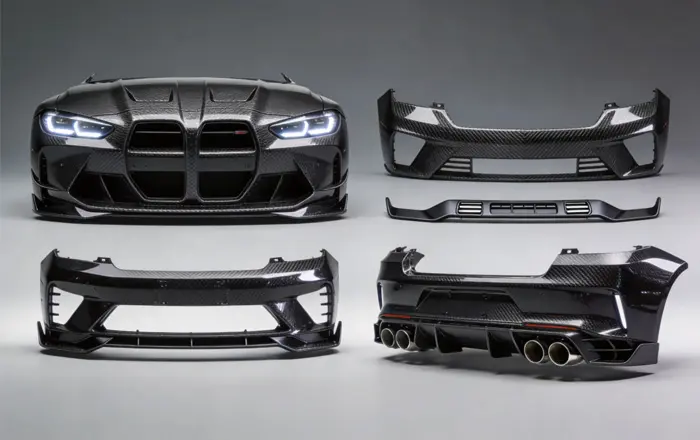
Automotive exterior parts

Exterior and Trim Prototypes

Front and rear bumper covers and side skirts
Fenders and covers
Hood and trunk-lid panels
Spoilers and aerodynamic components
Door outer panels and trim components
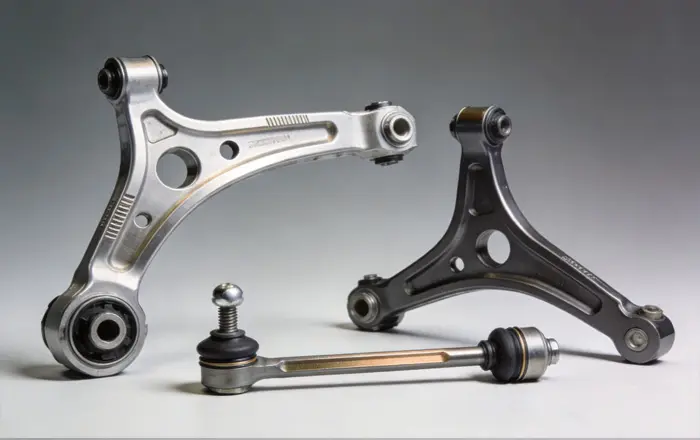
Automotive structural parts

Structural and Chassis Prototypes

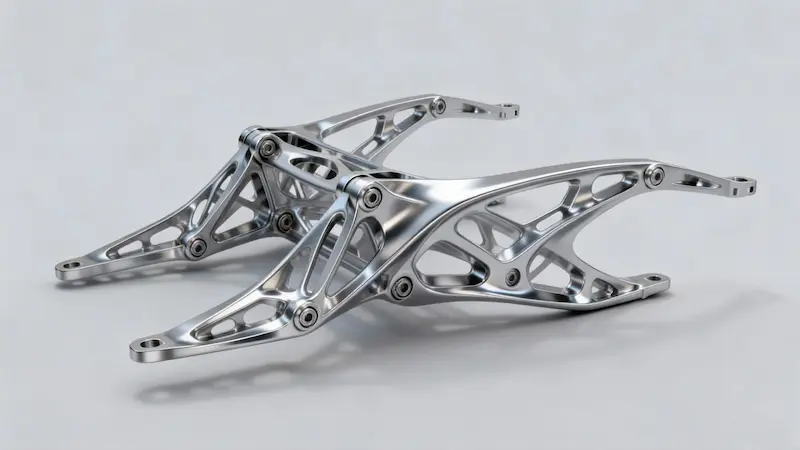
Upper and lower control-arm prototypes
Trailing arms and suspension links
Subframe and chassis prototype structures
Half-shaft interface and connection parts
Exhaust system structural components
Stabilizer bars and frame weldments
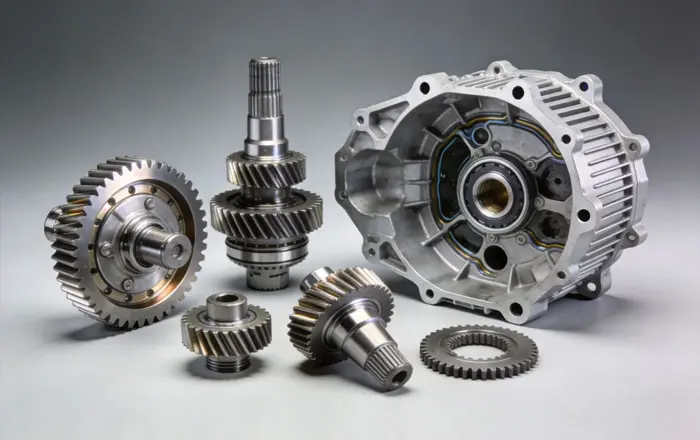
Automotive powertrain parts

Powertrain Test and Validation Parts

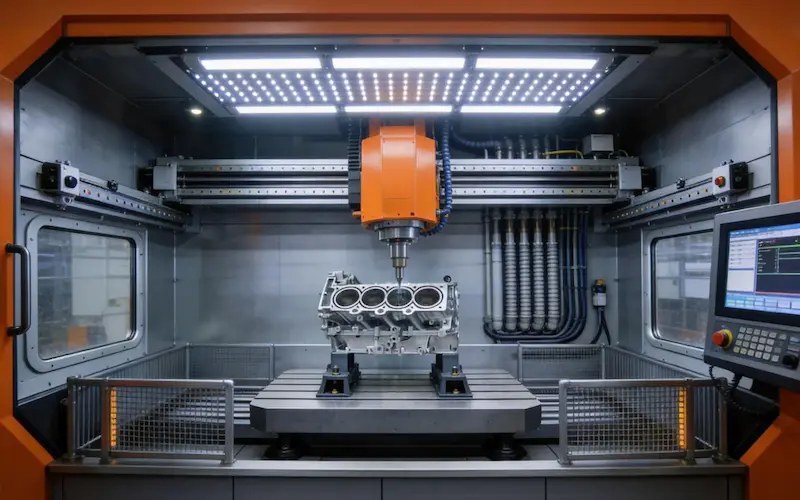
Cylinder-head and engine-block prototypes
Crankshaft and rotating-drivetrain prototypes
Gearbox gears and housings
Drive shaft and differential components
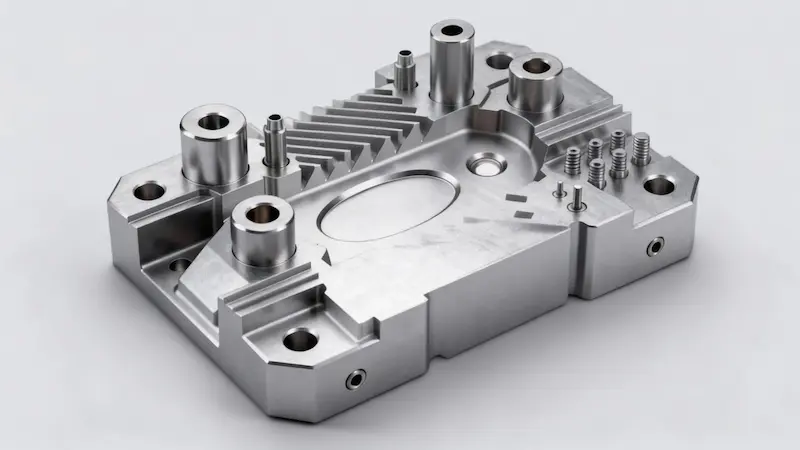
Oil pan and functional housing parts
Automotive interior parts

Interior and Lighting Components

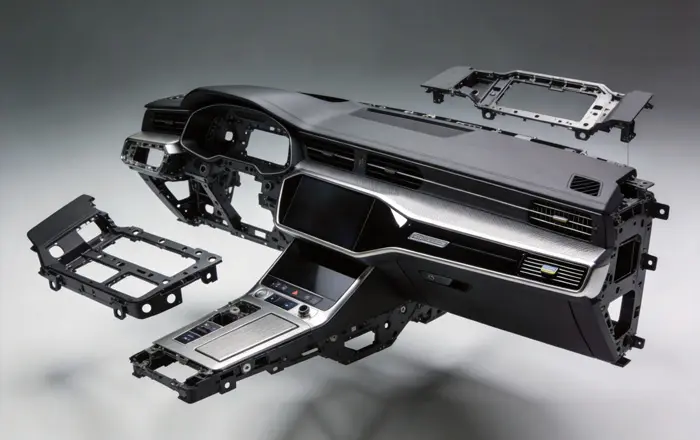
Instrument panel and central control structural components
Door interior panels
Seat frame and functional parts
Storage boxes and functional accessories
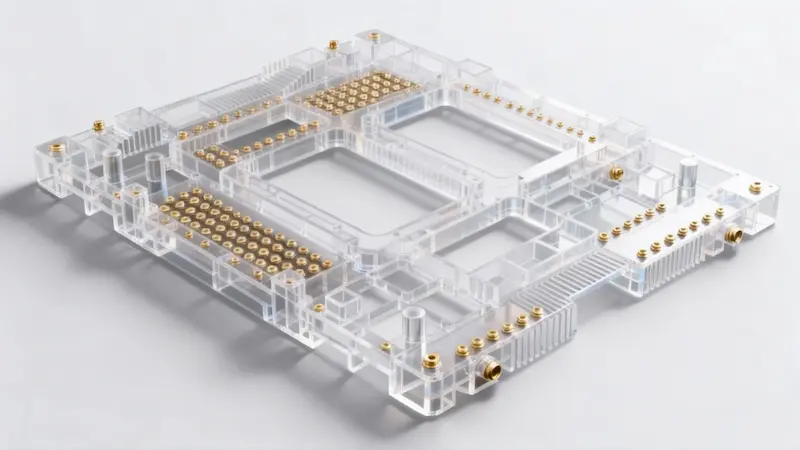
Lighting structures and transparent components

Manufacturing Processes for Automotive Parts

Select a process according to geometry, material, quantity, assembly requirements, surface finish, and project stage. XFabro combines 3D printing, CNC machining, sheet metal fabrication, injection molding, and vacuum casting for prototypes, engineering samples, pilot builds, and confirmed repeat-production requirements.

Engineering Challenges We Help Automotive Teams Address

A usable automotive part must meet documented fit, function, revision, and inspection requirements—not merely match the nominal shape. We help teams manage tolerance chains, stage-to-stage consistency, parallel revisions, change costs, and the transition from pilot builds to repeat delivery.

The issues we focus on solving for automotive customers: smooth assembly and cumulative tolerances, consistency between engineering parts and prototype parts, multi-version parameter management, cost control under frequent changes, transition from trial production to stable supply

Will the Parts Assemble Consistently?

We review mating surfaces, datums, assembly sequences, clearances, and geometric tolerances to identify interference and accumulated-tolerance risks before manufacturing.

Can Prototype and Engineering Builds Stay Consistent?

Stage goals, critical dimensions, inspection criteria, process routes, tooling strategies, and finishing effects are documented to support repeatability as quantities increase.

How Are Multiple Revisions Controlled?

Drawing and bill of materials (BOM) revisions, critical dimensions, materials, and finishes are compared and identified so each physical build matches the intended design state.

How Can Change Costs Be Managed?

We assess how each change affects materials, tooling, processes, inspection, and lead time, then recommend adjustable routes that reduce avoidable rework while preserving confirmed requirements.

Can Pilot Builds Transition to Repeat Supply?

Repeatable process parameters, inspection standards, critical-dimension controls, and capacity planning are established before the project moves from pilot builds to confirmed repeat delivery.

Automotive Parts Manufacturing Process

  1. Share Drawings and Project Requirements

    • Upload STEP, IGES, STL, DWG, PDF, or other supported engineering files.
    • Identify critical dimensions, datums, assembly relationships, appearance surfaces, and inspection needs.
    • State the project stage, quantity, target schedule, and intended application.
    • Typical response: Automated file analysis takes 1–5 minutes.
  2. Review Manufacturability and Receive a Quote

    • Review assembly, tolerance-chain, geometry, and repeatability risks.
    • Confirm materials, manufacturing processes, quantity, and required documentation.
    • Receive the proposed manufacturing route and deliverables.
    • Typical response: A preliminary quote within 30 minutes when the request fits the standard quoting workflow.
  3. Confirm the Revision and Engineering Recommendations

    • Confirm critical dimensions, tolerance strategy, datums, and assembly interfaces.
    • Verify the drawing and BOM revision, change points, and inspection criteria.
    • Review practical manufacturability recommendations before production.
    • Typical response: Engineering feedback within 24 hours.
  4. Manufacturing and Process Control

    • Use the confirmed process route, tooling plan, and revision-controlled files.
    • Apply agreed first-article, in-process, and final inspection controls.
    • Identify parallel revisions to reduce file, parameter, and material mix-ups.
    • Timing: Lead time depends on process, tooling, finishing, inspection, documentation, and quantity.
  5. Inspection, Documentation, and Delivery

    • Receive agreed dimensional reports and coordinate measuring machine (CMM) data.
    • Receive agreed material, batch, finishing, and revision records.
    • Use project-appropriate packaging and revision identification.
    • Typical domestic transit: 1–7 days, depending on destination and logistics method.

FAQs