
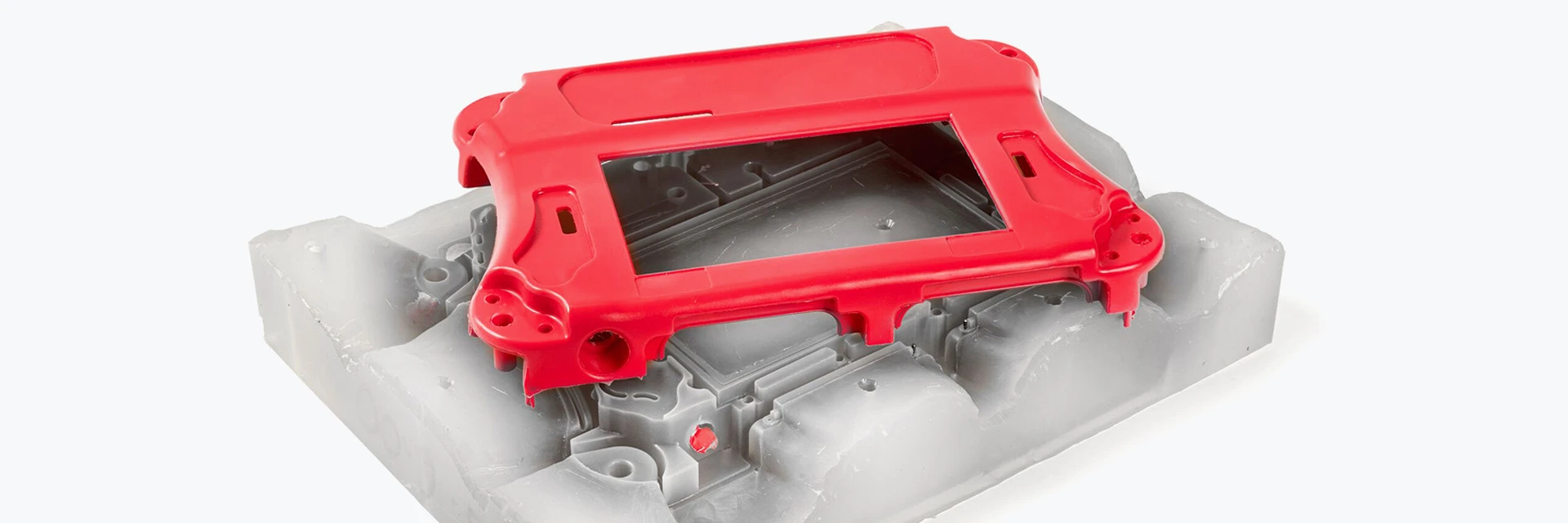
We support common engineering formats:
- 3D: STEP, IGES, Parasolid, STL
- 2D: DWG, DXF, PDF
Include critical dimensions and datums (GD&T where applicable), fit and function, intended use, cleaning method, environment, and any material restrictions.
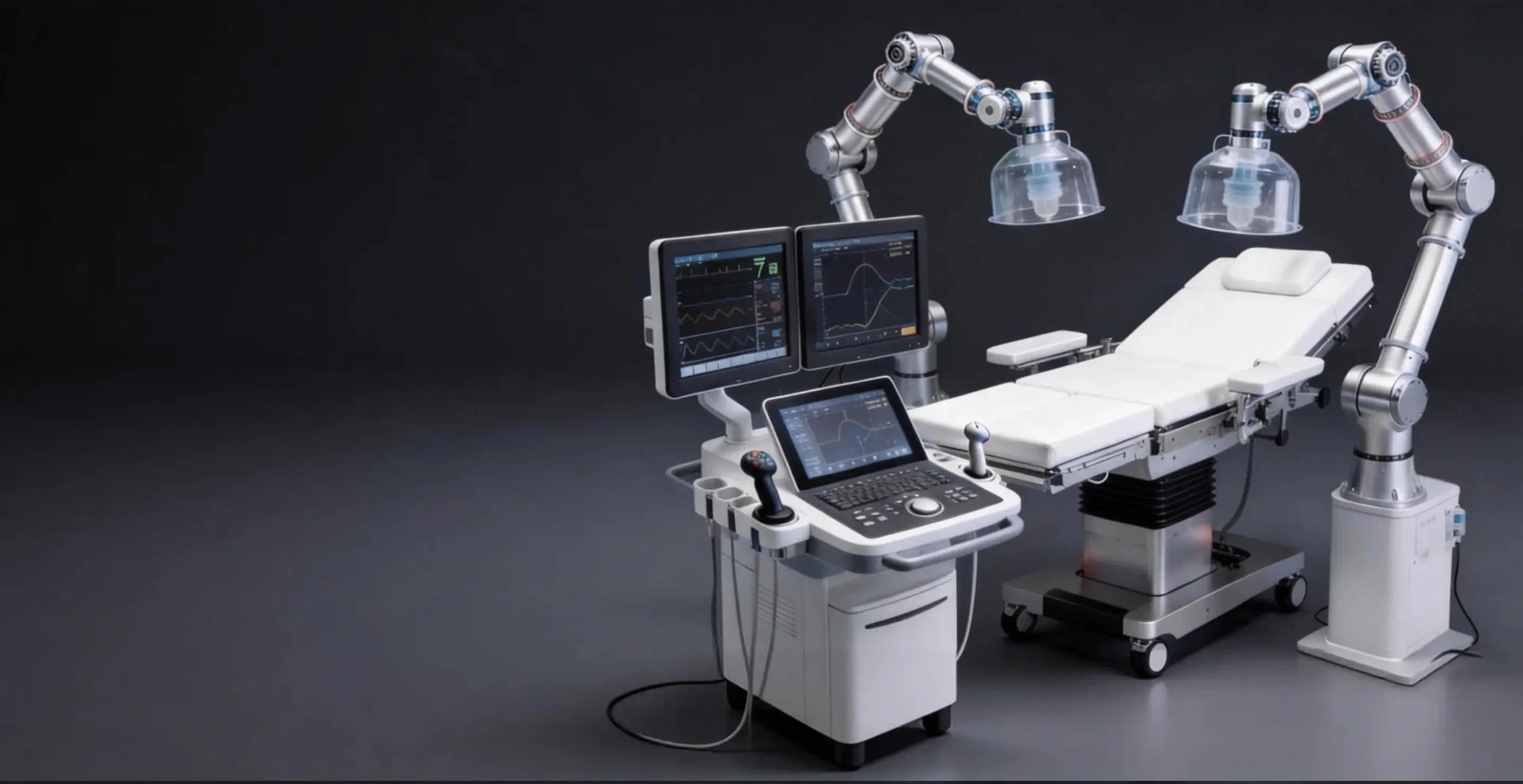
Manufacture non-implantable medical-device prototypes, verification parts, engineering samples, and low-volume builds with design for manufacturability (DFM), multi-process production, inspection documentation, and revision control.
Non-implantable medical-device parts must meet documented dimensional, assembly, functional, material, cleaning, and verification requirements. Manufacturing plans should also support revision control, batch identification, inspection, and repeatability.
Precision motion, detection, sealing, and enclosure assemblies depend on stable datums, tolerances, clearances, and geometric relationships.
Structural and functional components must be manufactured against stated loads, interfaces, and verification requirements.
Material and finishing choices should reflect the customer's stated chemicals, temperature, cleaning method, duration, and dimensional-stability needs.
Revision, batch, material, process, and inspection records help relate each delivered part to the correct project state.
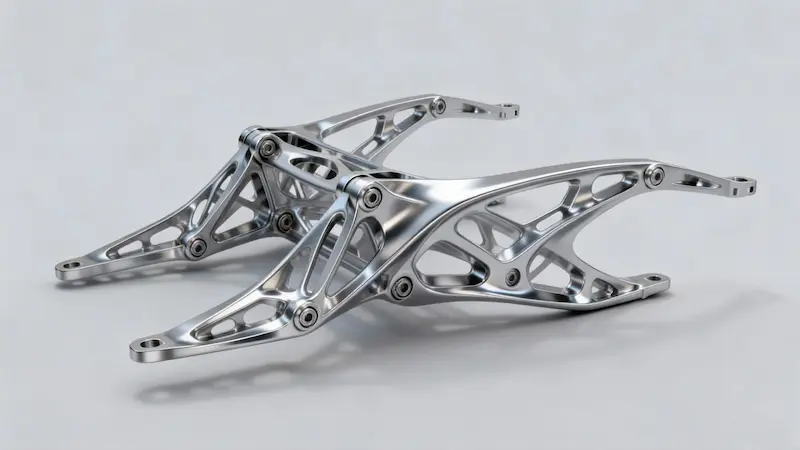
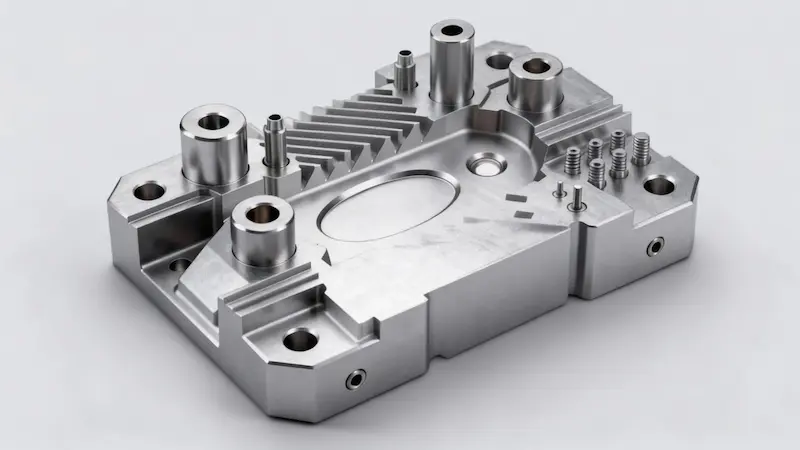
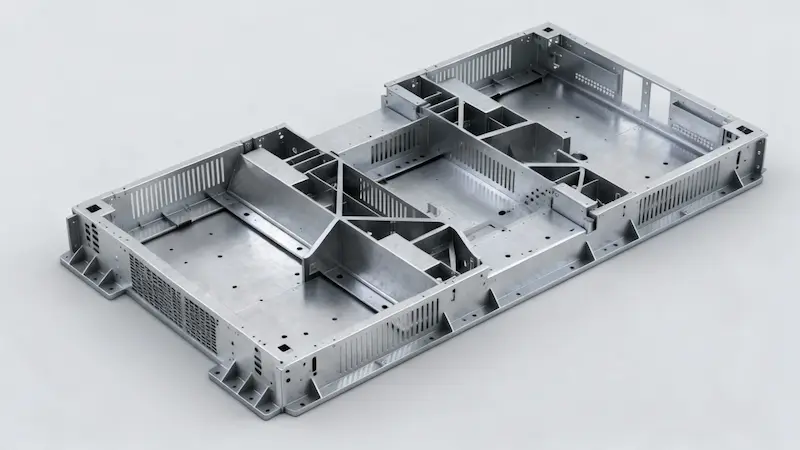
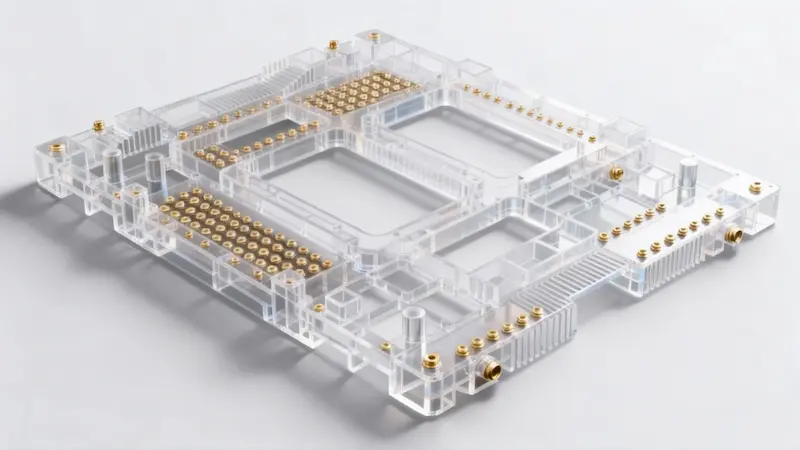
XFabro manufactures instrument, equipment, fluid-handling, sensing, tooling, and verification components for non-implantable medical-device R&D, engineering verification, and pilot builds. These examples require project-specific material, cleaning, biocompatibility where applicable, inspection, qualification, and acceptance requirements before any clinical or end-use application.
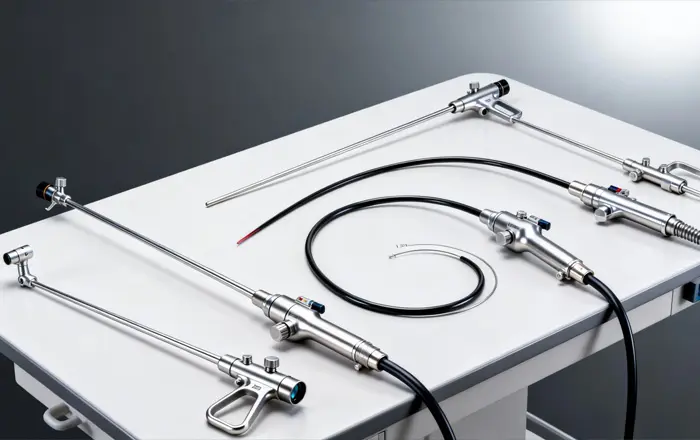
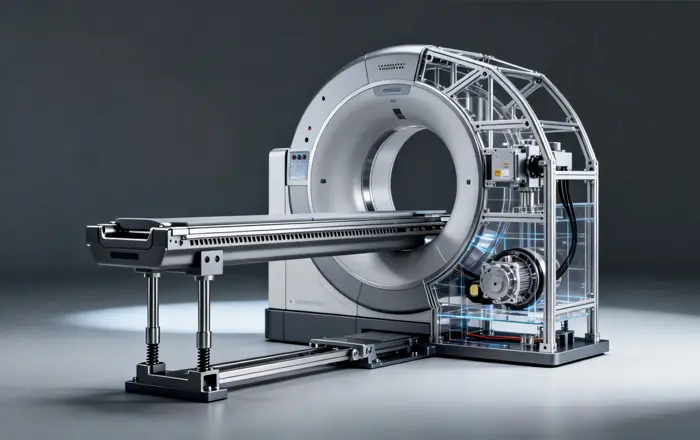
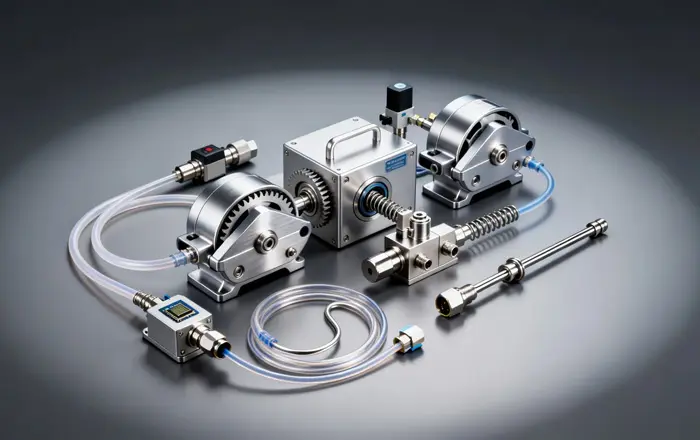
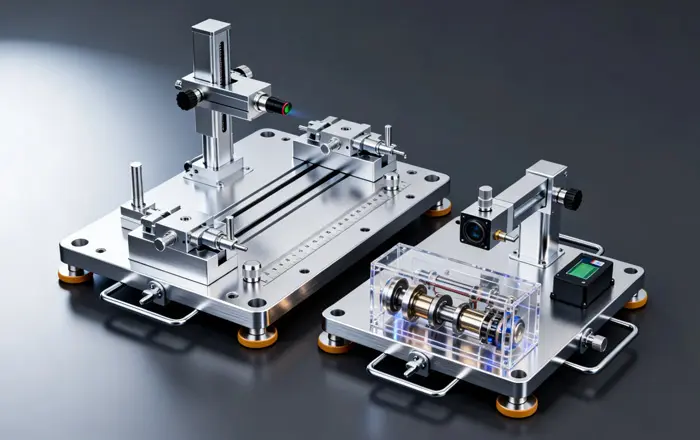
Select a manufacturing route according to geometry, material, cleaning conditions, quantity, intended use, and required evidence. XFabro supports 3D printing, CNC machining, sheet metal fabrication, injection molding, and vacuum casting for non-implantable prototypes, verification parts, pilot builds, and confirmed repeat-production requirements.
A usable medical-device part must satisfy documented requirements and remain traceable—not merely match the nominal geometry. We help teams manage critical dimensions, batch consistency, material and cleaning risks, engineering changes, cost, and schedule within the confirmed project scope.
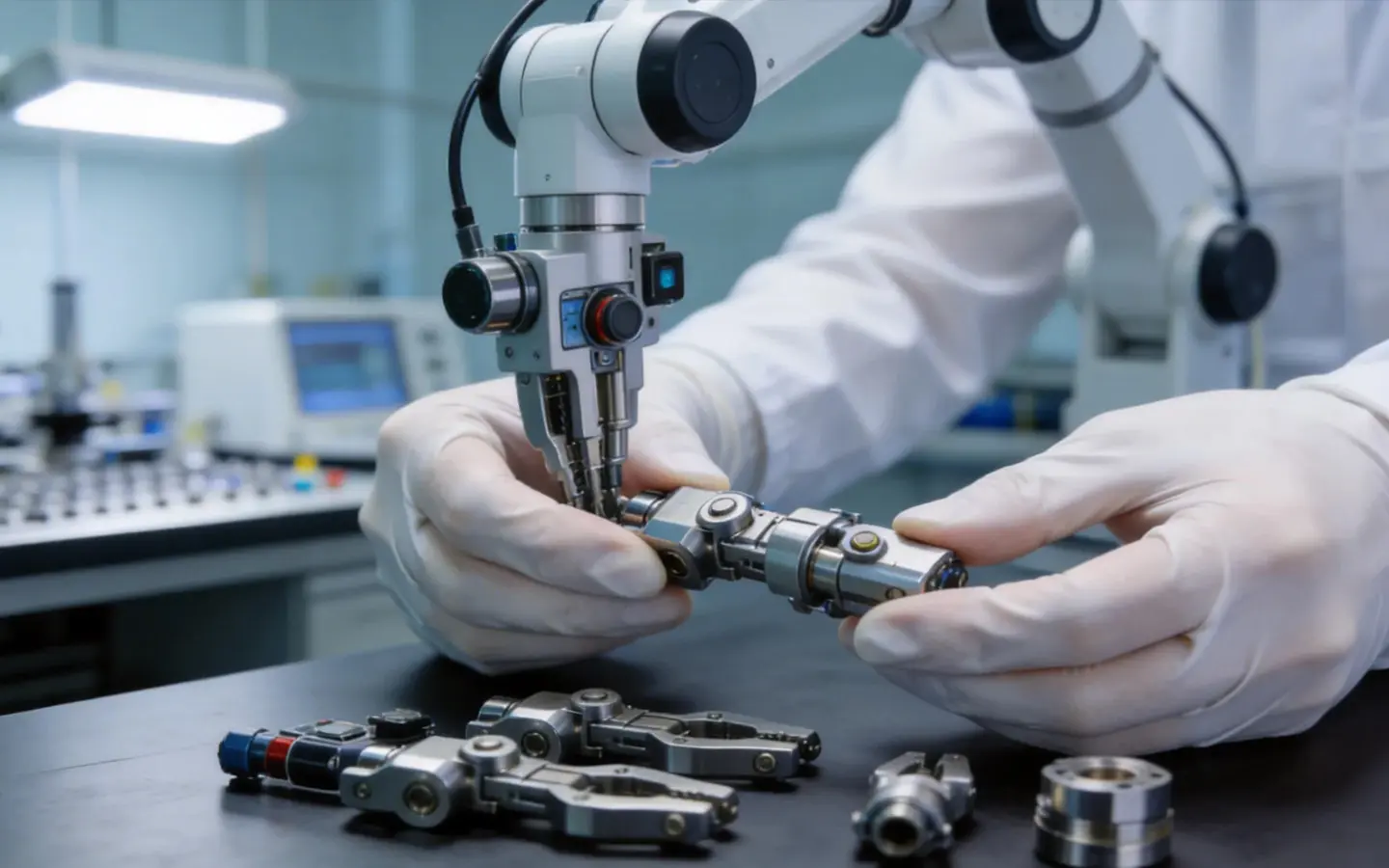
We review functional datums, tolerance chains, geometric controls, fixturing, and inspection points to reduce dimensional variation across builds.
Materials, critical parameters, process controls, and first-article and final inspection criteria are documented to support comparison between batches.
We review the customer's stated chemicals, temperature, moisture, wear, duration, and cleaning conditions when recommending materials and finishes.
Drawing revisions, critical-to-quality (CTQ) characteristics, materials, finishes, and batch records are tracked so each build matches the intended design state.
We compare materials, processes, tooling, inspection, and quantity options while preserving the agreed functional, traceability, and verification requirements.
We support common engineering formats:
Include critical dimensions and datums (GD&T where applicable), fit and function, intended use, cleaning method, environment, and any material restrictions.
Selection depends on geometry, material, quantity, tolerance, cleaning conditions, intended use, and required evidence. Manufacturing review does not replace customer design, risk-management, clinical, biocompatibility, sterilization, quality-system, or regulatory validation.
We can recommend manufacturing options from the information provided, but the customer remains responsible for material qualification, biocompatibility, cleaning, sterilization, and end-use validation.
Options are compared against the confirmed functional, inspection, traceability, and delivery requirements.
Provide required inspection items, sampling rules, acceptance criteria, and report templates during project confirmation.
Actual timing depends on complexity, quantity, material, finishing, documentation, and inspection scope. Share critical test dates so the team can plan the route and schedule.
Yes. Optional NDAs, encrypted storage, and controlled access help protect drawings and project data. Revision and batch records can also be maintained according to the confirmed project requirements.