
What bridge parts need to prove
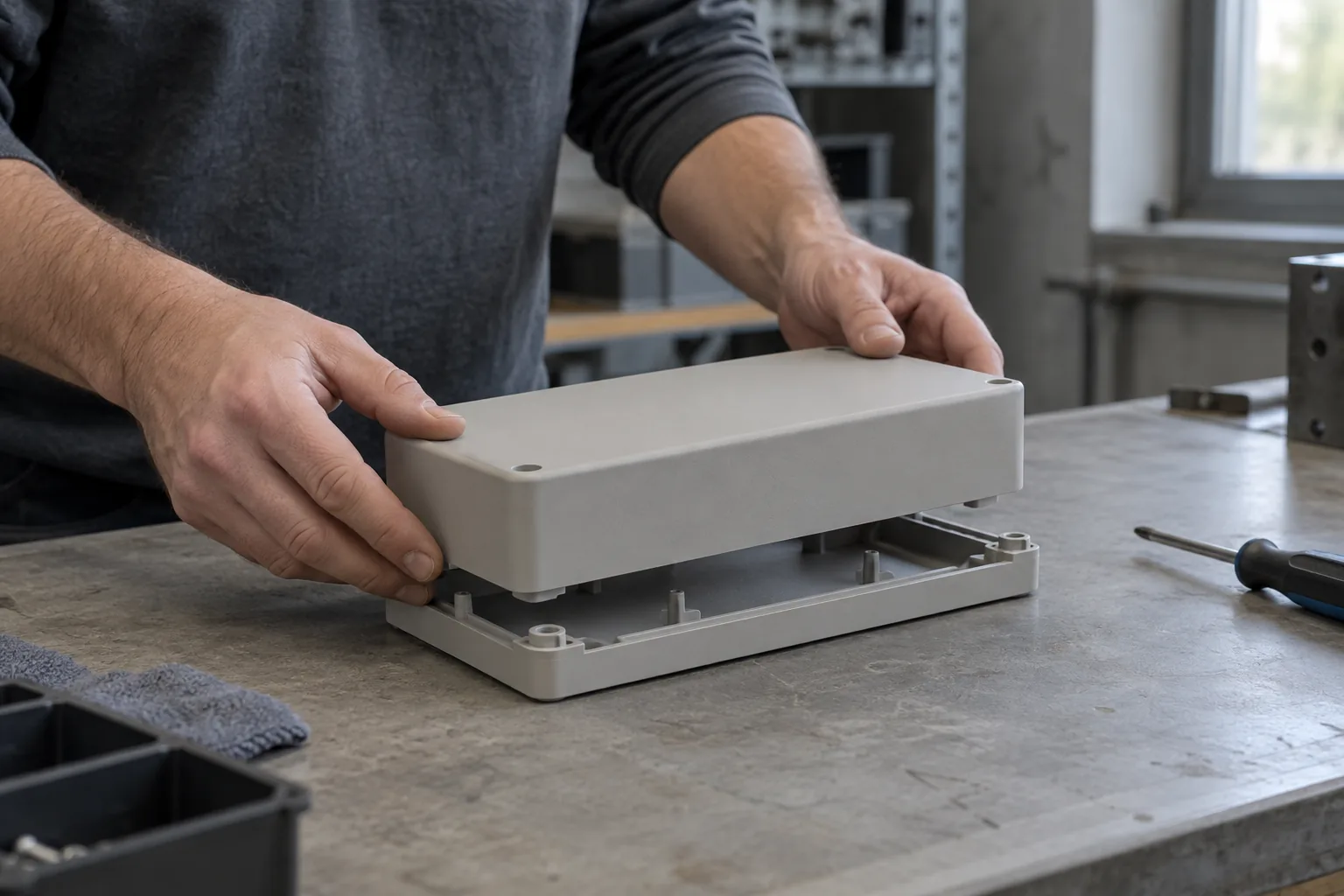
Bridge production supplies usable parts while design, demand and production timing remain unsettled. Compared with individual printed prototypes, casting can provide repeated samples from a master pattern without immediately committing to production tooling.
Separate learning about shape and assembly from learning about material performance. A cast enclosure may reveal access or fit problems, yet a successful trial does not establish the behavior of its eventual thermoplastic counterpart. Match the route to the decision the trial must support.
The master, silicone tool and casting material
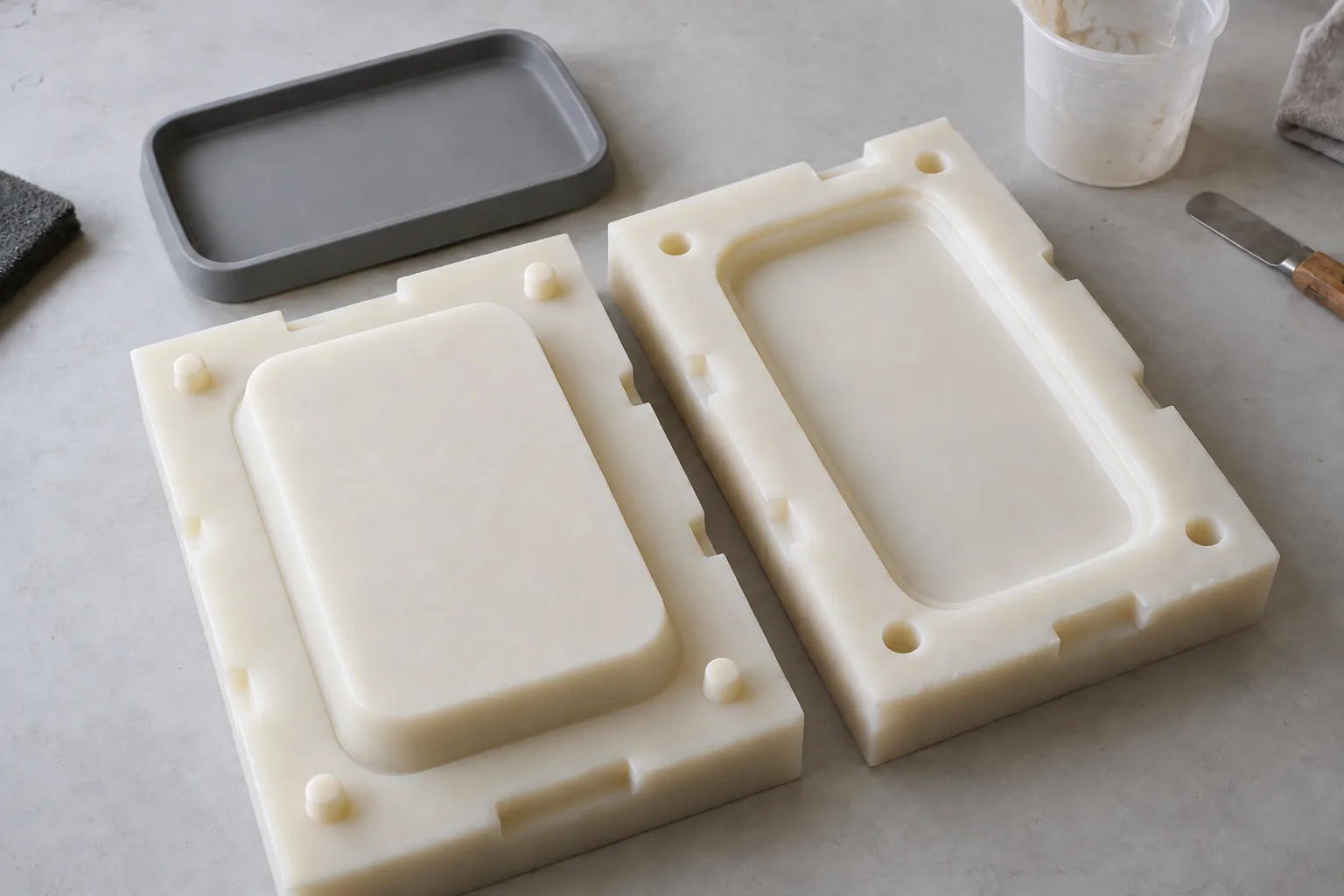
A master pattern establishes the shape and surface that a silicone tool reproduces. A qualified casting system is poured and cured using the applicable vacuum-casting process. Marks on the master can carry through, so examine its finish and critical features before approving repeated parts.
Casting-tool output varies with geometry, resin, handling, finish and acceptance criteria. Inspect accessible details, inserts and assembly interfaces on samples rather than assuming the tool will reproduce every feature acceptably.
Injection molding forms the part from the selected production resin in a production mold. Its behavior also depends on tooling, processing and geometry. Compare material properties only under compatible test methods, conditioning and application conditions; a similar-looking cast part is not evidence of equivalence.
Revision risk changes the tooling decision
When connector locations, interfaces or wall sections are still moving, casting can preserve room to learn before hard tooling. Changes may still require a revised master and replacement silicone tooling, so price that work into the interim plan.
A stable design strengthens the case for molding, especially where qualification requires the production material. Check whether remaining changes affect tooling, assembly or acceptance. If likely revisions would invalidate production samples, resolve those questions before treating an early mold as the final route.
Choose a route by the evidence and delivery requirement
Evaluate both options against the same intended use, loads, environment and acceptance targets. Missing material or batch evidence can reverse an otherwise attractive choice.
| Decision dimension | Condition favoring casting | Condition favoring molding |
|---|---|---|
| Purpose of the trial | Appearance or assembly learning with a qualified substitute material | Performance evidence that depends on the production resin |
| Demand and revisions | Uncertain repeat demand with meaningful design changes expected | Sustained requirements and settled geometry |
| Geometry and finish | Supplier samples demonstrate acceptable features and master-derived surfaces | Required features or finish need production-tool and process development |
| Batch quality | Measured variation remains acceptable for the intended interim use | Repeatability, traceability or regulatory needs require a qualified production system |
| Complete delivery cost | Interim tooling, finishing, inspection and likely rework support the bridge plan | Tool investment, processing, maintenance and continuing supply support the lifecycle plan |
Validate the bridge, then transfer learning into molding
Cast parts can support fit checks and appearance approval when their dimensions and finish meet the trial criteria. Functional use needs qualification of the casting system for that purpose. Resin-dependent durability, environmental or regulatory claims cannot rest on a surrogate part without validated equivalence evidence.
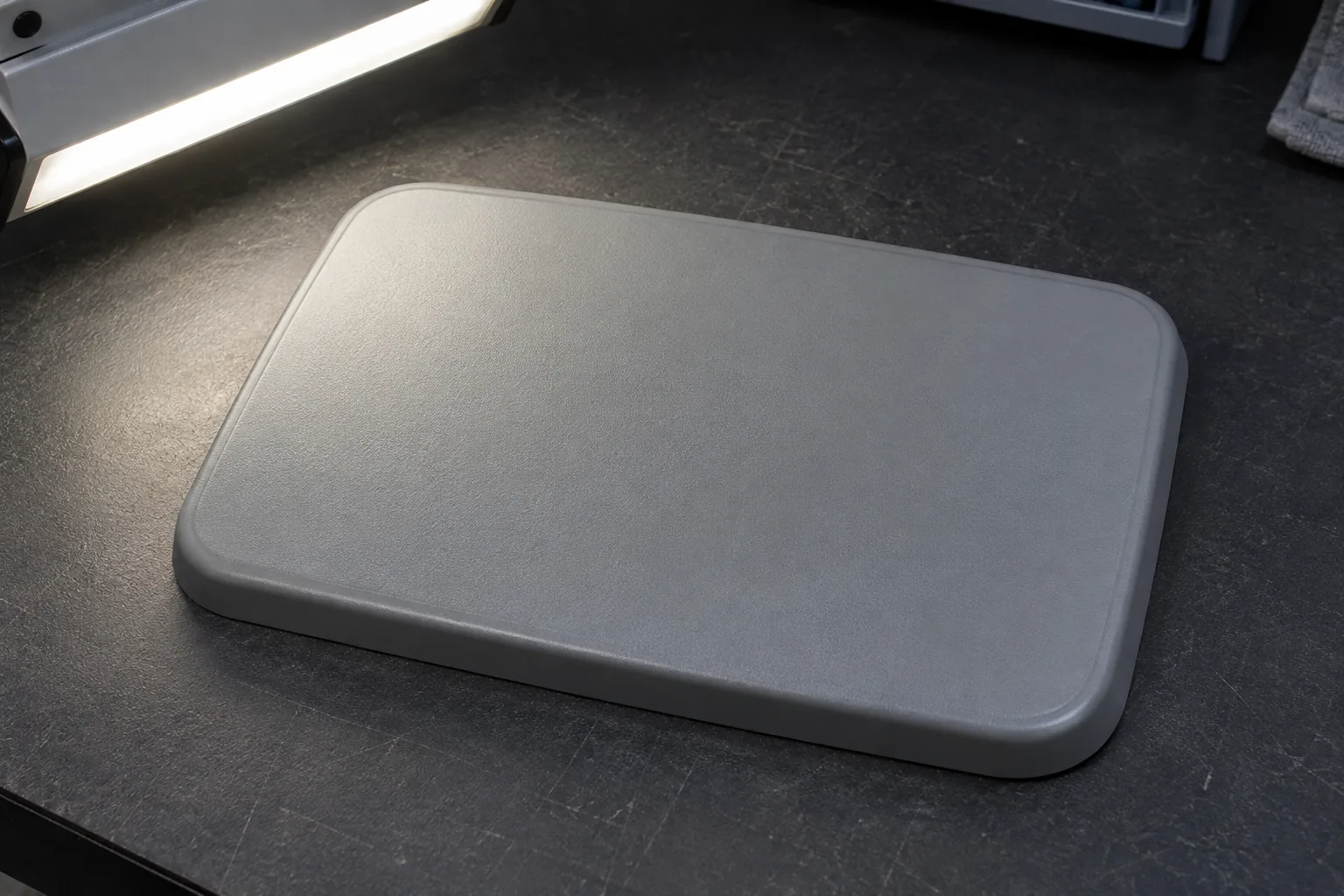
Examine sample surfaces under agreed viewing conditions and check critical dimensions across intended delivery batches. A pleasing first sample does not establish continuing consistency. Include downstream assembly in acceptance, since a cosmetic pass can conceal an interface problem.
If casting falls short, establish whether the master, material, geometry or handling is responsible. Correct the supported cause and reassess; move to molding when the missing evidence requires production resin or cast variation remains unacceptable. Molding failures likewise call for tool, process or design correction.
Carry approved interface requirements and observed assembly issues into molding design for manufacture: adapting the design to how the production tool fills, releases and controls the part. Once each route meets its relevant targets, compare validation, post-processing, maintenance and delivery commitments together. A shorter interim step has little value if it delays the evidence needed for launch.
Build an RFQ that evaluates the bridge and the transition
Ask the supplier to assess interim parts alongside the planned production route. Provide the following inputs so the response can identify feasible trials, unresolved risks and the point at which production tooling deserves commitment.
- Revision-controlled CAD and critical-feature drawings, including likely design changes.
- The intended tests, operating conditions and decisions each trial must support.
- Target production resin and the casting-property profile needed for interim use.
- Quantities, delivery batches and the production-tooling schedule.
- Master finish, color, texture and cosmetic acceptance expectations.
- Inserts, mating parts and downstream assembly details.
- Dimensional criteria, sample approval steps and required regulatory or traceability documents.
Frequently asked questions
Should an urgent launch automatically favor casting?
No. Urgency helps only if the interim parts answer the launch question. Request a plan tied to the required evidence: appearance trials may proceed with qualified cast samples, while a resin-dependent release decision may still require molded validation.
Can a casting-system data sheet qualify a complete housing?
It helps screen materials, but does not demonstrate the finished housing's performance. Identify the property that matters, establish comparable test conditions and obtain part-level evidence for the intended duty.
Must casting approval wait until every design detail is frozen?
A trial can proceed with a controlled revision if its unresolved features do not undermine the trial's purpose. Record which interfaces and conclusions remain usable after a change, so earlier learning is not mistakenly applied to a revised design.
What should happen to bridge samples after moving to molding?
Keep them as identified appearance or assembly references where useful. Establish acceptance evidence for the molded revision separately; the bridge samples should not silently become the material-performance standard.